
No products in the cart.
CAMERAS






රු235,000.00
 Free, contactless delivery
 Free Shipping on Most items
 Simple & Easy Return
 Easy Ways to Pay Over Time
Out of stock
| Row 0 – Cell 0 | DJI Lito X1 | DJI Lito 1 |
| Camera: | 48MP 1/1.3-inch CMOS sensor | 48MP 1/2-inch CMOS sensor |
| Video resolution: | 4K | 4K |
| Frame rates: | 60, 50, 48, 30, 25, 24fps | 60, 50, 48, 30, 25, 24fps |
| Flight modes: | Cine, Normal, Sport | Cine, Normal, Sport |
| Storage: | 42GB internal, microSD card slot | microSD card slot |
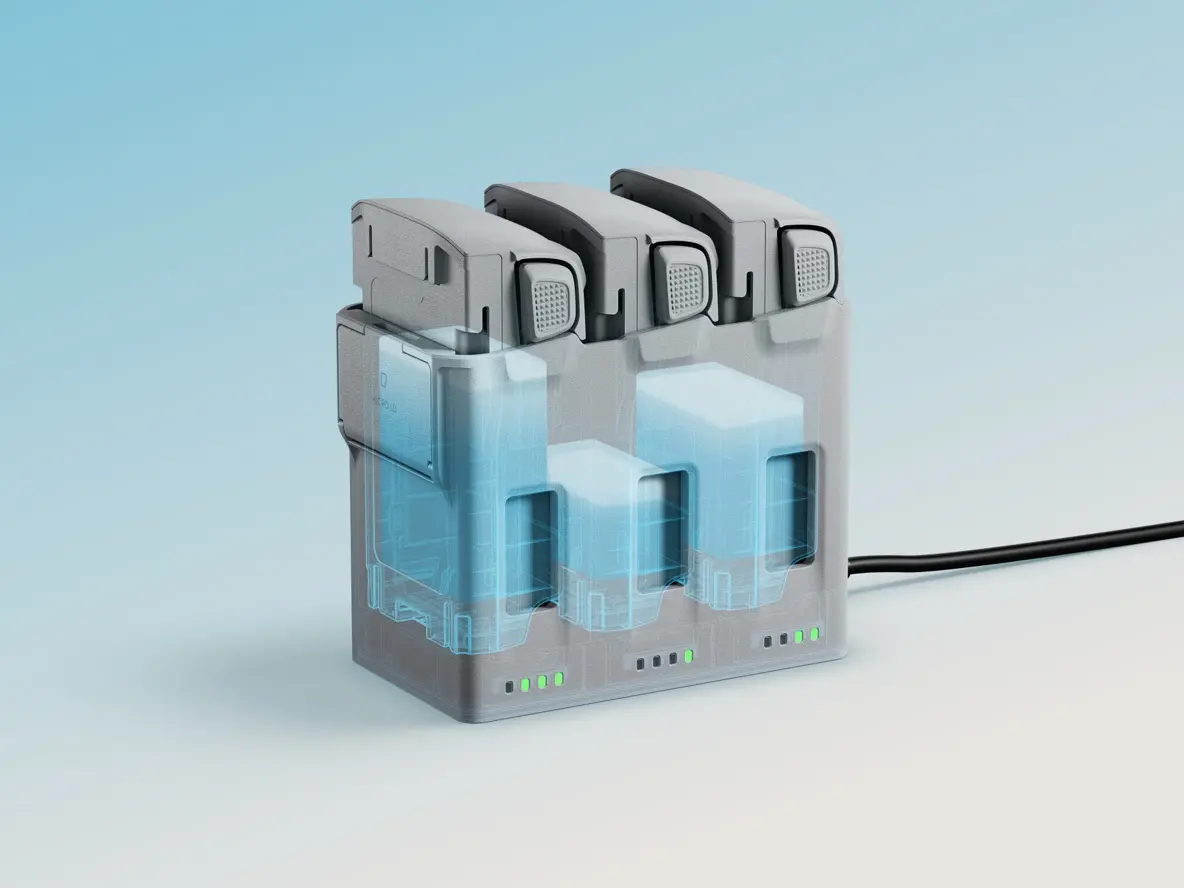
| Battery: | 2590mAh, up to 36 minutes flight time | 2590mAh, up to 36 minutes flight time |
| Charger type: | USB-C / Battery Charging Hub | USB-C / Battery Charging Hub |
| Weight: | 249g / 8.8oz (approx.) | 249g / 8.8oz (approx.) |
| Dimensions: | 149 x 94 x 62mm (folded) | 149 x 94 x 62mm (folded) |
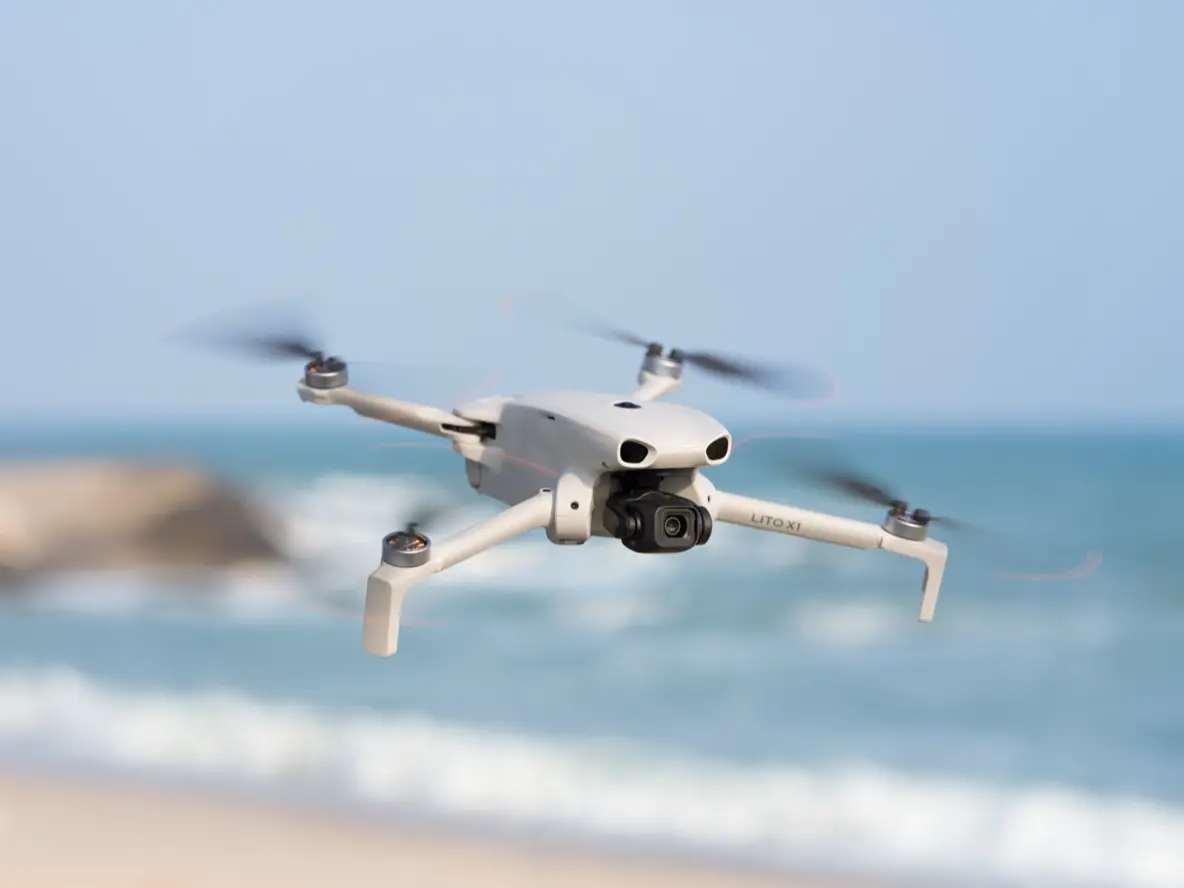
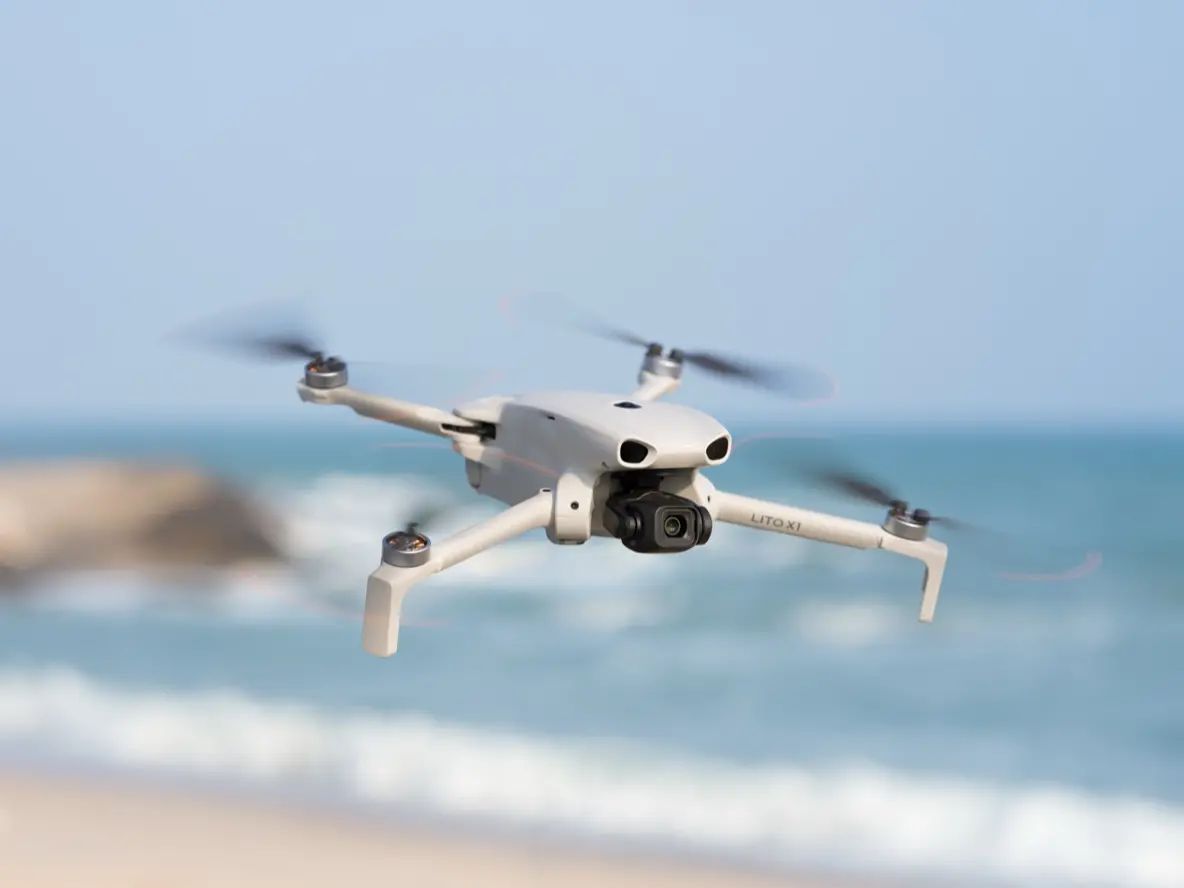
The Lito X1 and Lito 1 are virtually identical in design, with the only real physical difference being a (very) slight variation in the color of their plastic bodies. If not for that, and the product name displayed on their prop arms, the two drones would be impossible to tell apart.
The folding design is reminiscent of DJI’s Mini series, and like those drones, the Lito weighs under 250g. As a result it’s classed C0 in Europe and UK0 in the United Kingdom, meaning it can be flown almost anywhere, as well as close to and above “uninvolved” people. Additionally, the Lito’s folding design means it’s one of the few drones out there that I could genuinely say is pocket-sized – although we’re talking trenchcoat pocket rather than jeans pocket here.
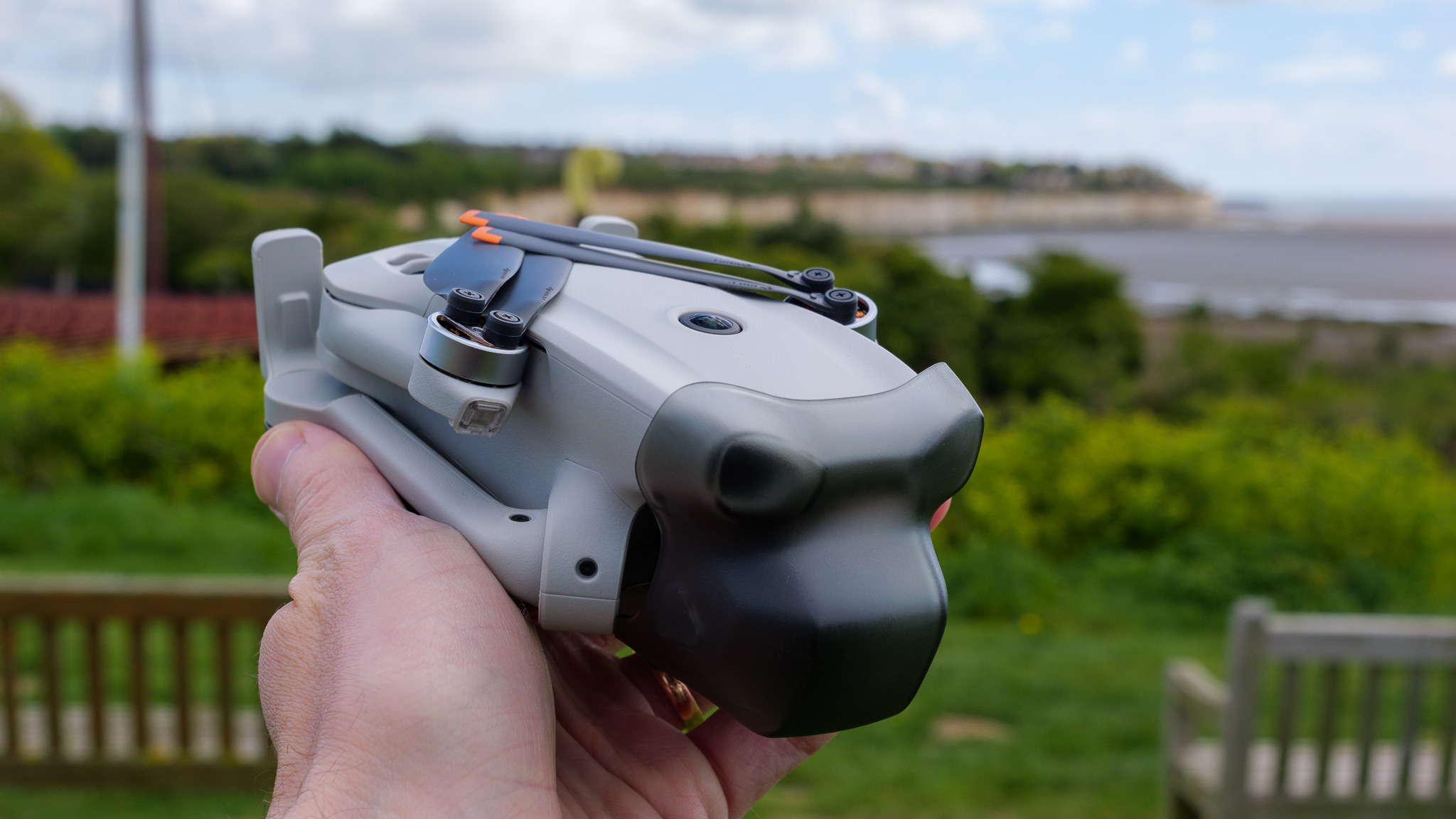
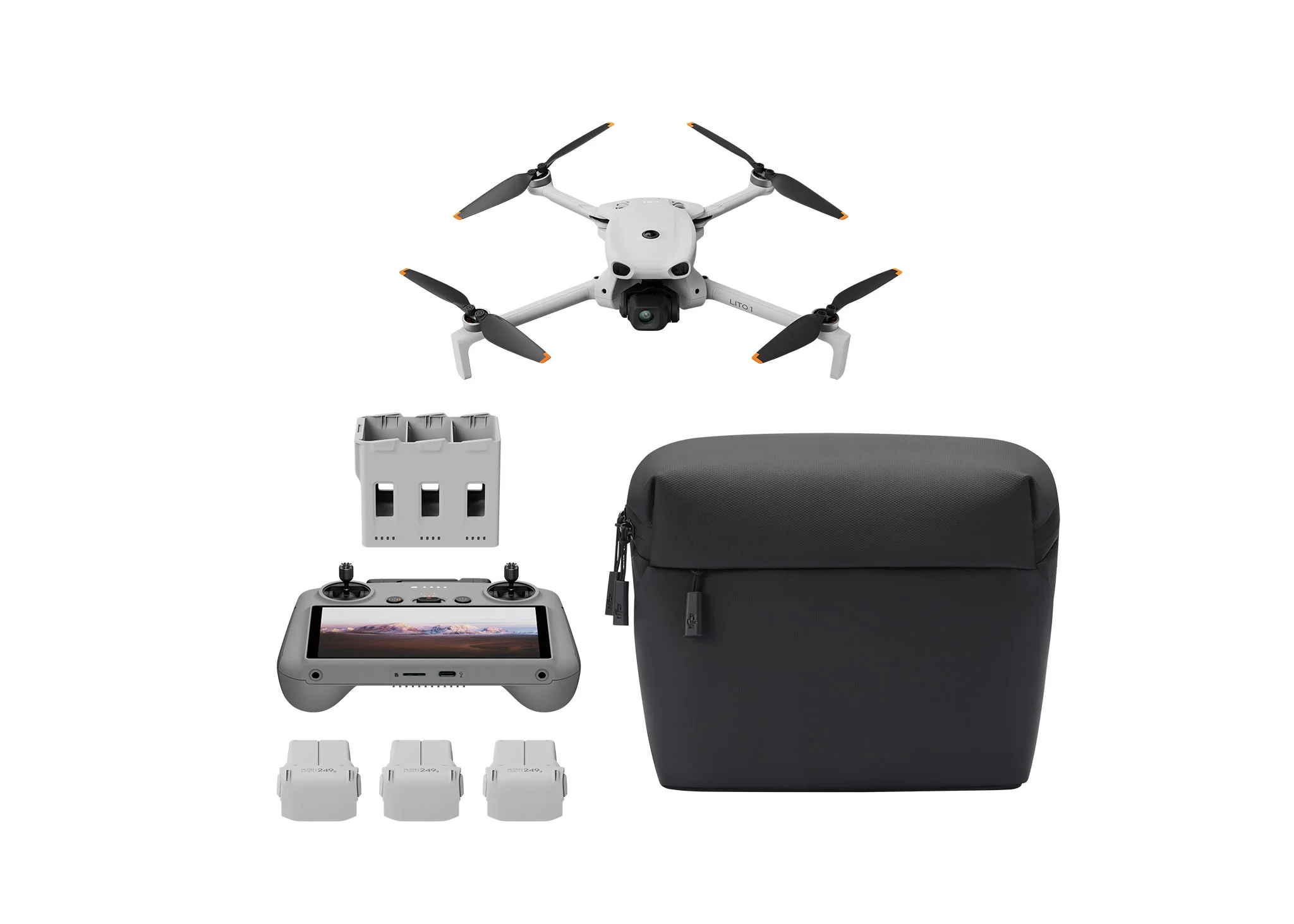
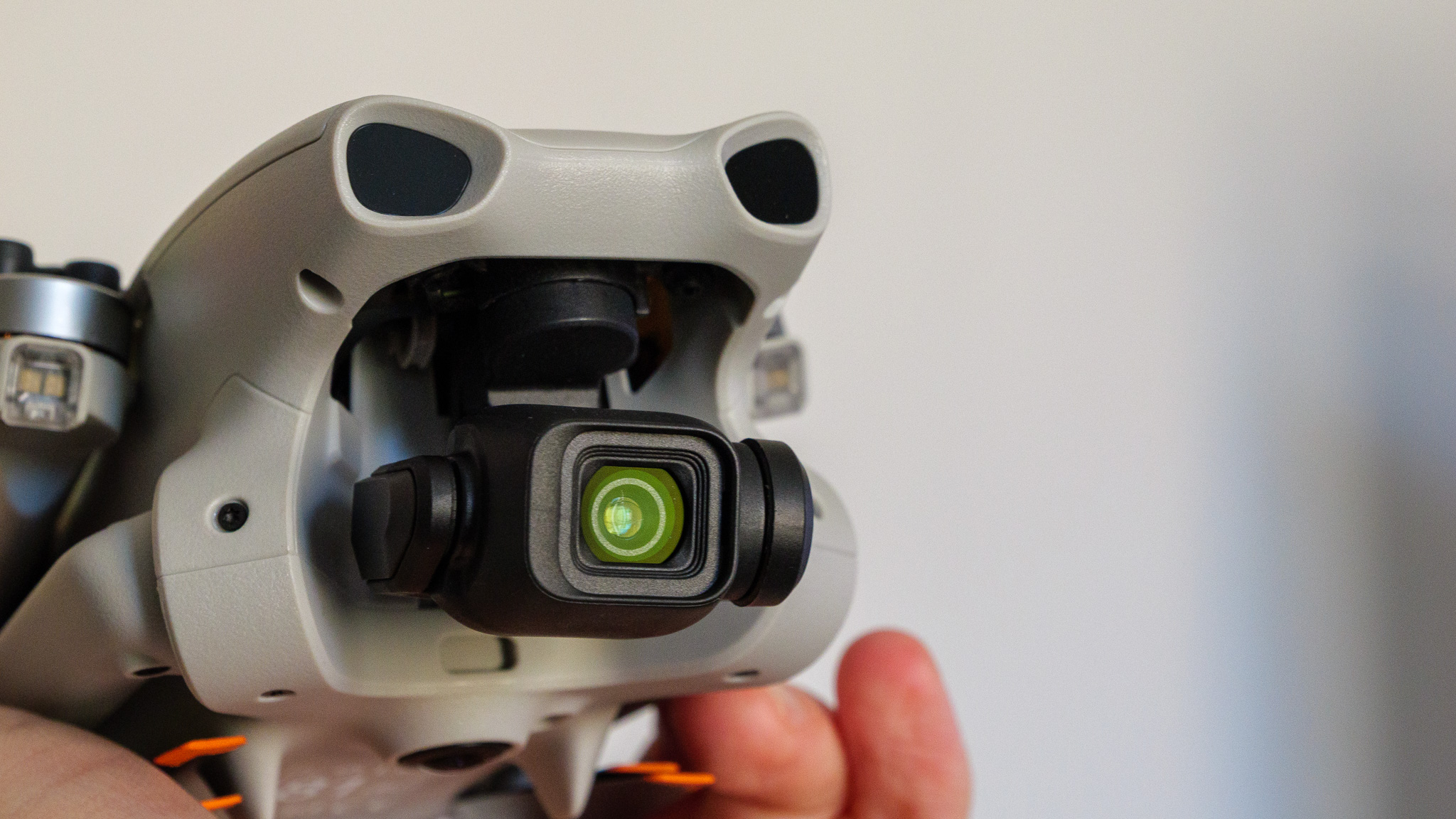
As with most of its drones, DJI supplies the Lito with a plastic cap to protect the camera and gimbal when they’re not in use, but no carry case by default — you’ll have to upgrade to the Fly More Combo if you want a bag.
In general, the drone is well built, despite its weight. The plastic used for the body is sturdy, with built-in feet/landing gear to prevent the sensors getting damaged when it’s sitting on a surface; the propellers, however, are largely unprotected, so some care is required when handling.
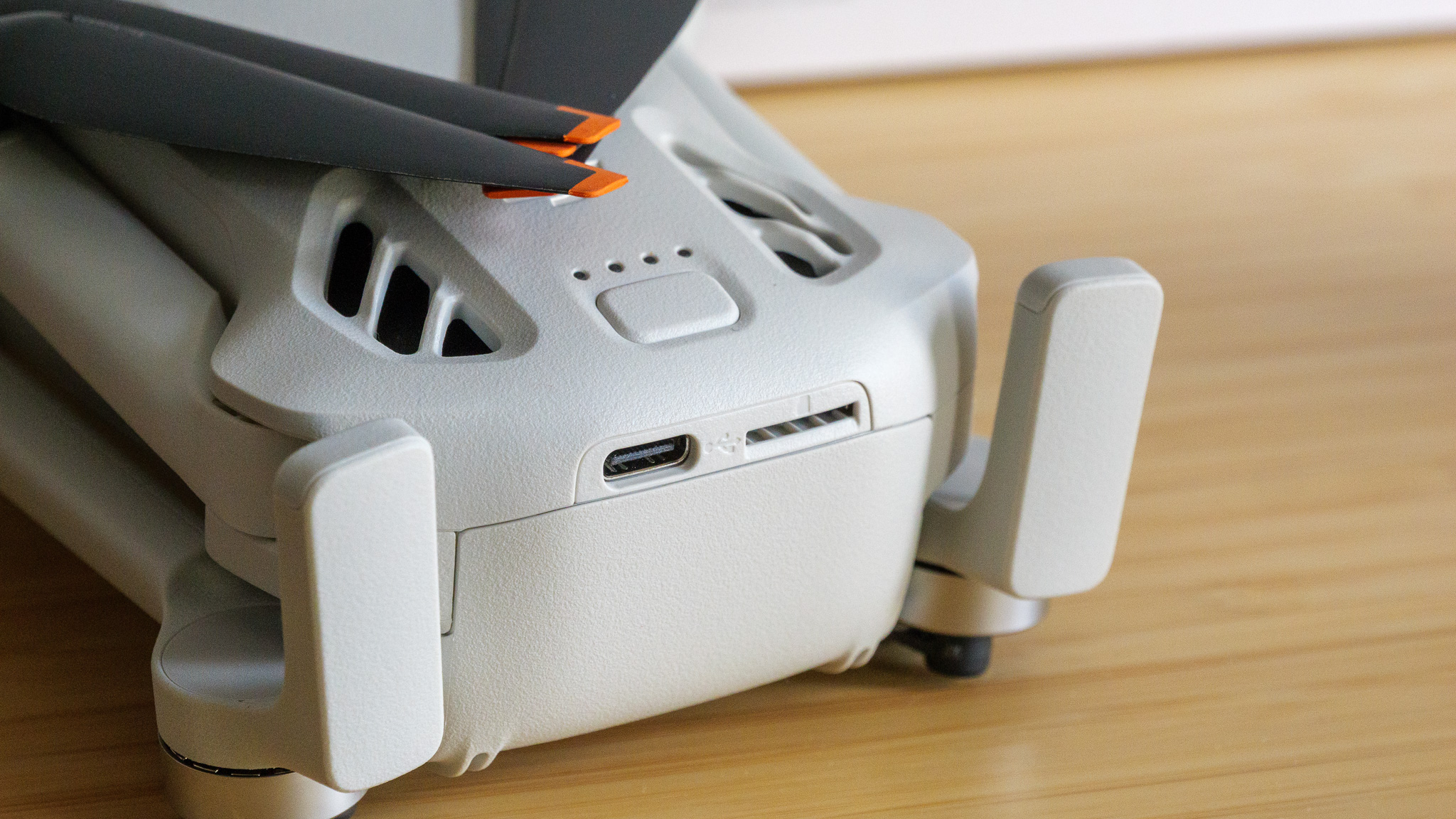
The battery slides in and out from the back, which is also where you’ll find the USB-C port and microSD slot. The USB port can be used for charging and data transfer, while the microSD slot supports storage. The Lito X1 also includes 42GB of built-in storage space, which can be supplemented with microSD if required, but you’ll need a microSD card for the Lito 1.
The RC 2 and RC-N3 controllers supplied with the Lito are tried and tested models that we’ve covered in previous DJI drone reviews. Suffice to say they’re solidly built and comfortable in the hand, and the RC 2 has a very impressive built-in touchscreen.
We’ve always rated the DJI Mini 4K as the company’s best bang-for-buck beginner’s model, but it had one drawback: a lack of object detection, leaving it liable to crashing into fences, lampposts, tree branches and the like.
The Lito drones, however, come with full omnidirectional object sensing, allowing them to dodge structures and hazards with ease. In fact, the Lito X1 even comes with forward-facing LiDAR, giving it even better hazard perception, even in the sort of low-light situations where the Lito 1’s vision-based system proves incapable.
The Lito models also come with the usual DJI boons like one-button take-off, return-to-home and landing, highly accurate GPS and good in-flight stability. DJI claims the Lito models offer wind resistance up to 10.7m/s, but having flown them in wind speeds far exceeding that, I’d say the company is being conservative.
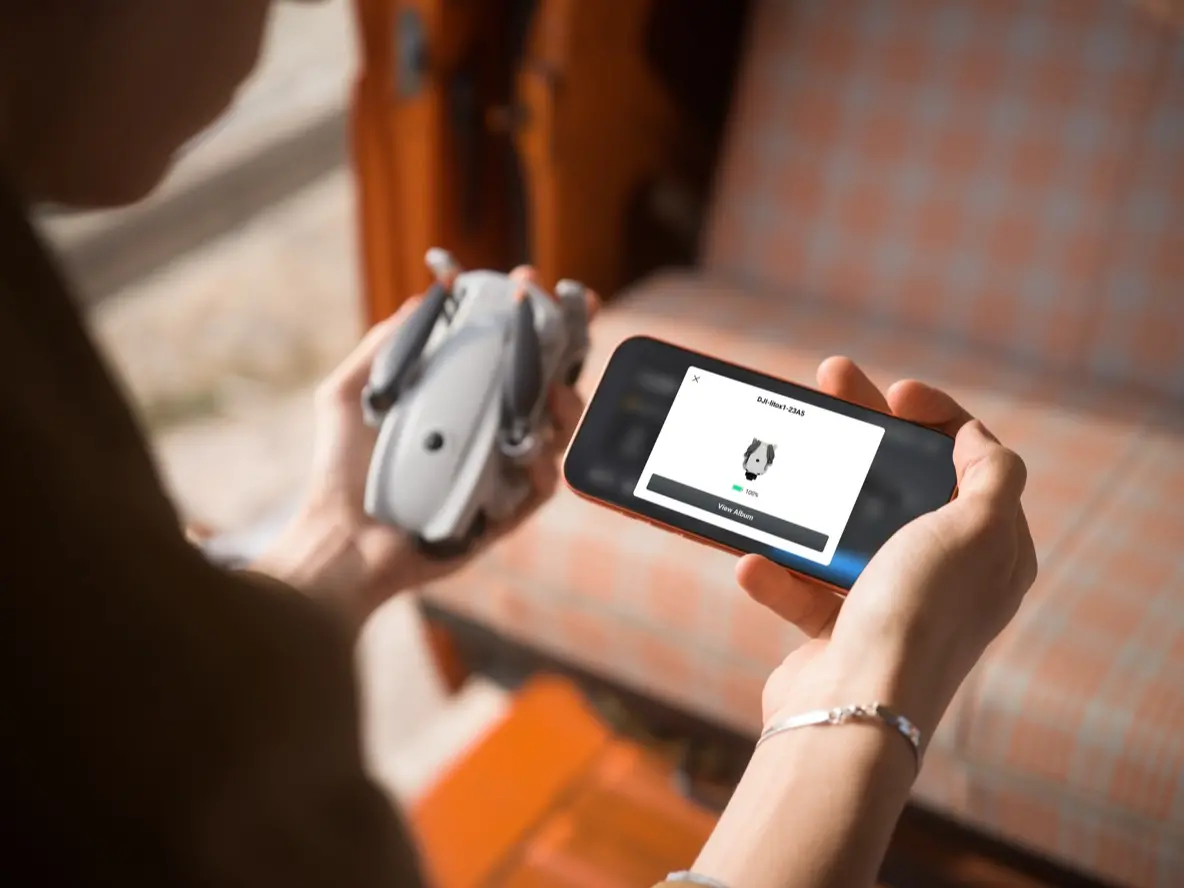
Using either the RC 2 or RC-N3 controller and the DJI Fly app, flying the Lito is a piece of cake. The drone nimbly responds to the controls and boasts a video transmission range far longer than anyone would reasonably want to test, along with impressive battery life. You can get up to 36 minutes of flying time on a single charge, says DJI, and while the reality is likely to be more like 25 minutes of anxiety-free flying before the app repeatedly nags you into landing, that’s a lot of air time for a cheap, entry-level drone.
Other features worth mentioning are the bevy of automated flight modes, such as Spotlight (which keeps the camera trained on a subject while you pilot the drone), ActiveTrack (which follows moving vehicles and people while navigating around obstacles) and user-set waypoint flying, plus the Wi-Fi 6-based QuickTransfer system, which can move huge video files from the drone to your mobile device’s storage in seconds.



Available Soon...


Out of stock


Out of stock


